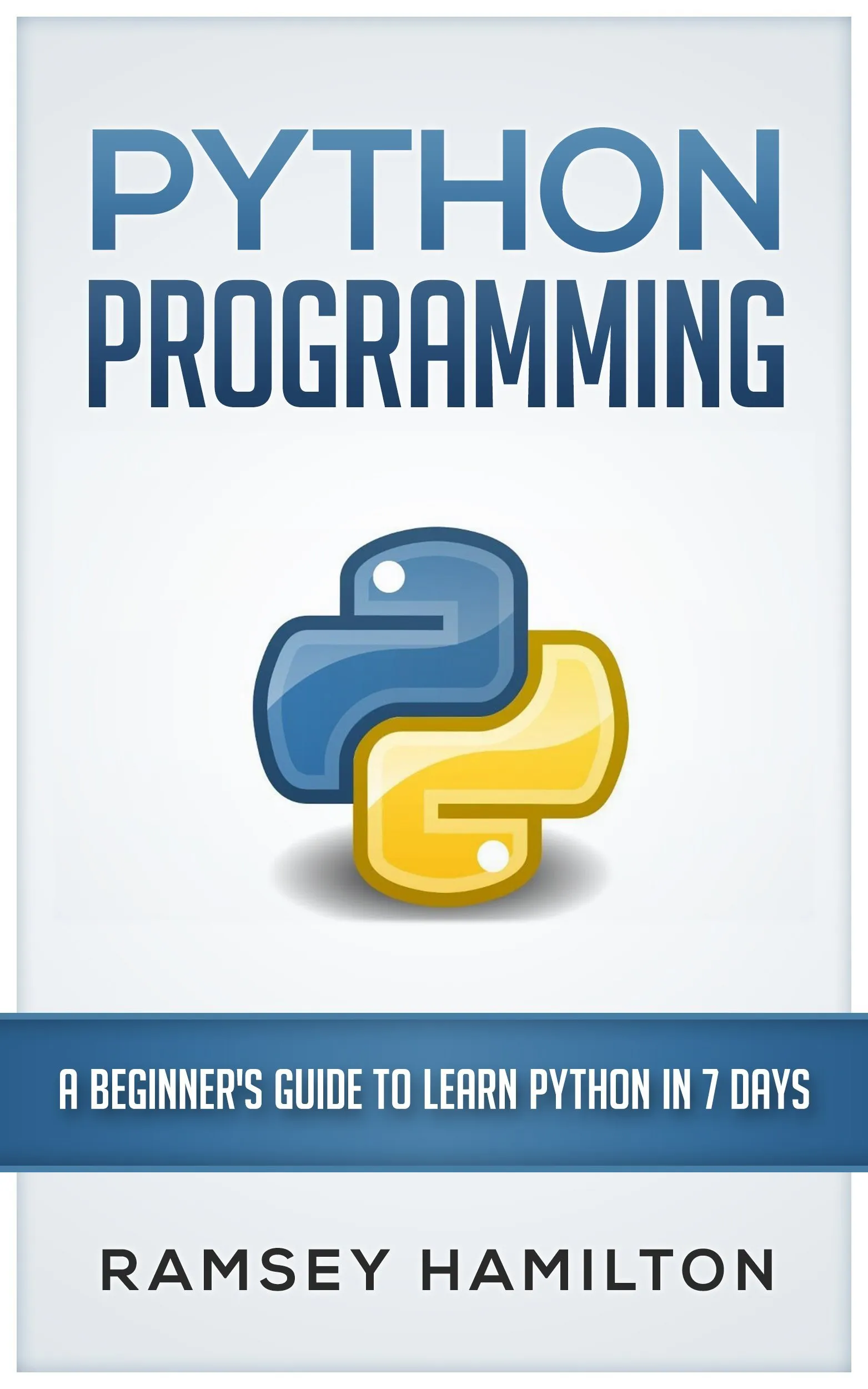
Let’s be clear about the title’s promise. Will you “learn Python” in seven days? No. You won’t. Learning a programming language is a long-term commitment, not a one-week sprint. However, that doesn’t mean this guide lacks value. You just need to have the right expectations.
What you’re really getting here is a very fast-paced, high-level tour of Python’s most fundamental building blocks. Think of it not as building a house in a week, but as learning to identify a hammer, a screwdriver, and a nail, and perhaps successfully hammering one or two nails into a board. For someone who has never seen a toolbox before, that’s a significant and empowering first step.
What to Expect from This “7-Day” Guide
The book’s brevity is its core feature. It is designed to be approachable and to give you a quick taste of what programming feels like without overwhelming you. It very deliberately trades depth for speed.
Here’s what you’ll likely walk away with:
- A basic familiarity with Python’s syntax for variables, strings, and numbers.
- An understanding of what conditional logic (if/else statements) is used for.
- A conceptual grasp of loops (for, while) for repeating tasks.
- A glimpse into how functions are used to organize code.
What you will not get:
- A deep understanding of data structures beyond the most basic lists.
- Any meaningful coverage of object-oriented programming (classes, inheritance).
- Knowledge of how to work with external libraries, which very important for any real-world Python project.
- Sufficient practice to internalize these concepts. You’ll understand what a loop is, but you won’t yet be proficient at writing your own to solve novel problems.
My Practical Advice
So, who should actually consider this? It is for a very specific person.
This book is an excellent choice if you are:
- An absolute beginner who is intimidated by 500-page programming tomes and wants to find out if coding is even for you.
- Someone who wants to build a small amount of momentum and confidence before tackling a more comprehensive course or book.
- A student needing a very quick primer to avoid feeling lost on day one of a computer science class.
If you already have experience with another language like Java, C#, or even JavaScript, this book is not for you. You will find it frustratingly superficial. Instead, look for a guide focused on Python’s unique features and idioms for developers who already understand programming fundamentals.
Use this guide as prescribed: a one-week introductory challenge. Your goal should be to finish it and have a vague but complete map of Python’s basic territory. Then, on day eight, your real journey begins. Use the confidence you’ve gained to pick up a more substantial resource and start building on this very elementary foundation. This isn’t the end of your Python learning; it is simply a low-friction way to start the engine.